


Unraveling the Mysteries of Tranexamic Acid in Cosmetics
What on Earth is Tranexamic Acid?
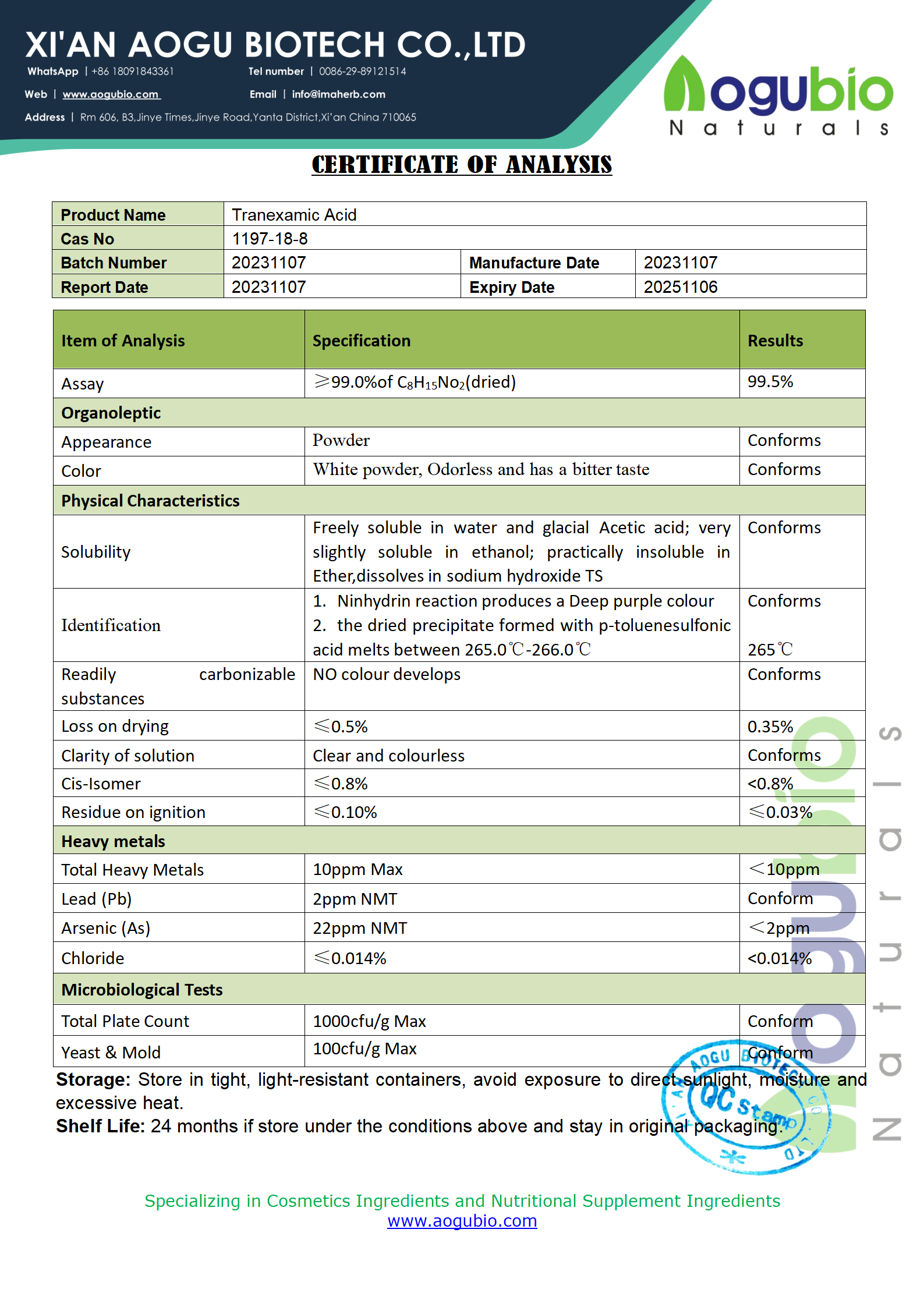
| Tranexamic Acid, also known as Tranexamicum or Trans - 4 - (Aminomethyl) cyclohexanecarboxylic acid, is a synthetic derivative of the amino acid lysine. Its chemical structure gives it unique properties that make it highly effective in the cosmetic realm. In cosmetics, it is typically used in the form of a white to off - white crystalline powder, which is soluble in water, enabling easy incorporation into various formulations such as serums, creams, and masks. | 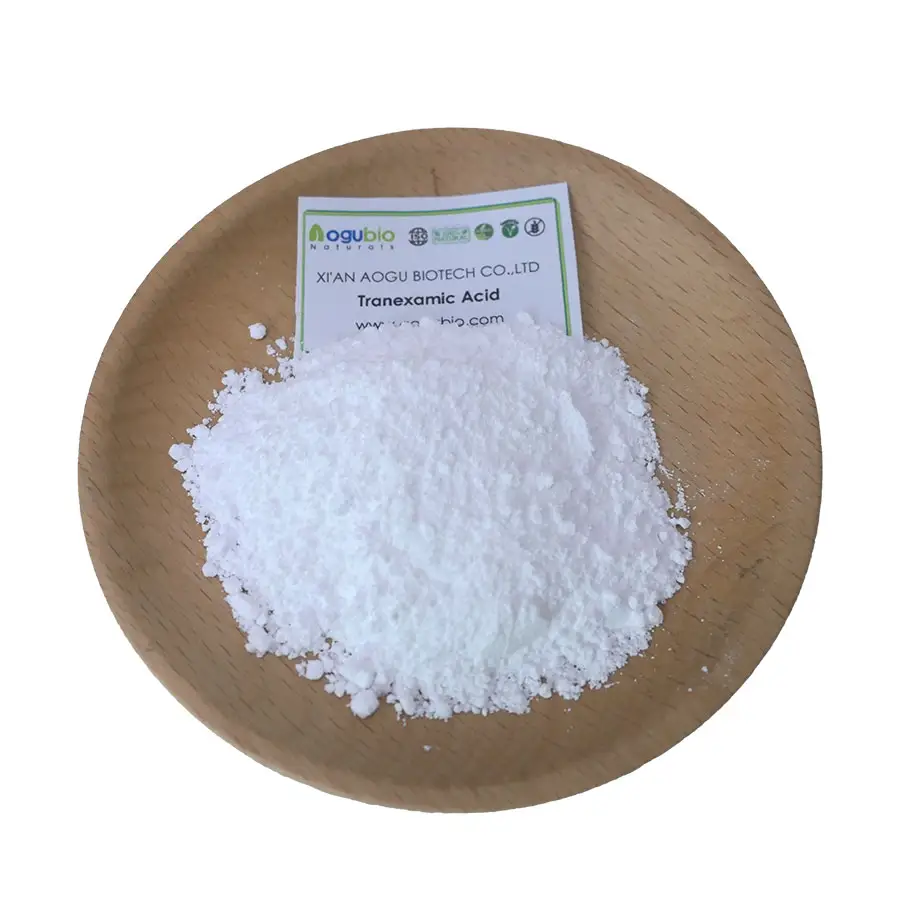 |
Tranexamic Acid was initially developed for medical purposes, primarily as an antifibrinolytic agent to control bleeding. It works by inhibiting the activation of plasminogen, an enzyme precursor that plays a key role in the breakdown of blood clots. However, its application in cosmetics is centered around its remarkable effects on the skin's pigmentation process. According to a study published in the [Journal Name 1], Tranexamic Acid's mechanism of action in skin - lightening involves its ability to compete with tyrosine for binding sites on the enzyme tyrosinase. Tyrosinase is a crucial enzyme in the biosynthesis of melanin, the pigment responsible for skin color. By blocking tyrosinase's activity, Tranexamic Acid effectively reduces the production of melanin, leading to a lightening of the skin tone.
The Multifaceted Benefits of Tranexamic Acid in Cosmetics
- Potent Skin - Lightening and Hyperpigmentation Reduction
One of the most well - known and highly - sought - after benefits of Tranexamic Acid in cosmetics is its ability to lighten the skin and reduce hyperpigmentation. Hyperpigmentation, characterized by the appearance of dark spots, melasma, and uneven skin tone, can be caused by a variety of factors, including sun exposure, hormonal changes, and inflammation. A research study in [Journal Name 2] compared the efficacy of topical 5% Tranexamic Acid solution with 2% hydroquinone, a commonly used skin - lightening agent. The results showed that there was no statistically significant difference in the effectiveness of the two treatments in reducing hyperpigmentation. Moreover, the group using Tranexamic Acid reported higher satisfaction levels and fewer side effects. Tranexamic Acid works by inhibiting the transfer of melanocytes (pigment - producing cells) from the basal layer of the epidermis to the upper layers of the skin. This action not only prevents the formation of new dark spots but also helps to fade existing ones over time, resulting in a more even and radiant skin tone.
- Anti - inflammatory Properties for Sensitive Skin
In addition to its skin - lightening effects, Tranexamic Acid has notable anti - inflammatory properties, making it an excellent choice for sensitive skin types. Inflammation in the skin can exacerbate hyperpigmentation and lead to other skin issues such as redness, itching, and irritation. A study in [Journal Name 3] demonstrated that Tranexamic Acid can reduce the production of pro - inflammatory cytokines in the skin. These cytokines are molecules that play a key role in the body's immune response and inflammation. By suppressing their production, Tranexamic Acid helps to calm the skin, reduce redness, and soothe irritation. This makes it particularly beneficial for individuals with skin conditions such as rosacea, acne - prone skin, and post - inflammatory hyperpigmentation caused by skin injuries or treatments.
- Potential Anti - aging Effects
Although more research is needed in this area, some studies suggest that Tranexamic Acid may have anti - aging benefits. As we age, the skin's natural processes, including the production of collagen and elastin, slow down, leading to the formation of wrinkles and a loss of skin elasticity. The reduction in melanin production by Tranexamic Acid may also contribute to a more youthful appearance. Dark spots and uneven skin tone can make the skin look older, and by evening out the skin tone, Tranexamic Acid can give the skin a more refreshed and youthful glow. Additionally, its anti - inflammatory properties may help to protect the skin from the damage caused by free radicals and environmental stressors, which are known to accelerate the aging process. A study in [Journal Name 4] found that Tranexamic Acid could potentially enhance the skin's barrier function, which is important for retaining moisture and protecting the skin from external aggressors, further contributing to a more youthful - looking complexion.
Common Queries about Using Tranexamic Acid in Cosmetics
- Is Tranexamic Acid Safe for All Skin Types?
Tranexamic Acid is generally considered safe for most skin types. Its gentle nature and low potential for causing allergic reactions make it suitable for sensitive skin. However, as with any cosmetic ingredient, individual sensitivities may vary. Some people may experience mild side effects such as skin irritation, redness, or itching, especially if they have extremely sensitive skin or are allergic to related substances. It is always recommended to perform a patch test on a small area of skin, such as the inner forearm, before using a new product containing Tranexamic Acid. Apply a small amount of the product to the test area and wait for 24 - 48 hours to check for any adverse reactions. If no negative effects are observed, it is likely safe to use the product on the face and other areas of the body.
- How Frequently Should Products with Tranexamic Acid Be Used?
The frequency of use depends on the product and your skin's tolerance. For serums and treatments with a relatively high concentration of Tranexamic Acid (e.g., 2 - 5%), it is advisable to start with a conservative approach. Begin by using the product 2 - 3 times a week and gradually increase the frequency to once daily if your skin tolerates it well. Overuse of products containing Tranexamic Acid can potentially lead to skin irritation, so it's important not to rush the process. For products with lower concentrations of Tranexamic Acid, such as some moisturizers and toners, they can usually be used as part of your regular daily skincare routine, either morning and evening or as directed on the product label.
- Can Tranexamic Acid Be Used in DIY Cosmetic Formulations?
Yes, Tranexamic Acid can be used in DIY cosmetic formulations. However, it requires careful handling and precise measurement. When using Tranexamic Acid in DIY products, it is essential to ensure the powder is of high quality and suitable for cosmetic use. It should be dissolved in a suitable solvent, such as distilled water or a glycerin - water mixture, to ensure even distribution in the formulation. The recommended concentration of Tranexamic Acid in DIY cosmetic products typically ranges from 1 - 5%, depending on the type of product and your skin's sensitivity. It is also crucial to follow proper safety and hygiene procedures when preparing DIY cosmetics to prevent contamination and ensure the effectiveness of the final product. Additionally, if you are new to formulating your own cosmetics, it may be beneficial to consult a professional or refer to reliable cosmetic formulation resources for guidance.
[Journal Name 1]: [Title of the study on Tranexamic Acid's mechanism of action]
[Journal Name 2]: [Title of the comparison study between Tranexamic Acid and hydroquinone]
[Journal Name 3]: [Title of the study on Tranexamic Acid's anti - inflammatory properties]
[Journal Name 4]: [Title of the study on Tranexamic Acid's potential anti - aging effects]
[Market Research Firm Name 1]: [Title of the market research report on skin - lightening products]