
Can You Afford to Ignore Superoxide Dismutase (SOD) in Anti-Oxidant Skincare Formulas?
What Is Superoxide Dismutase (SOD) and Why Does It Matter for Skin?
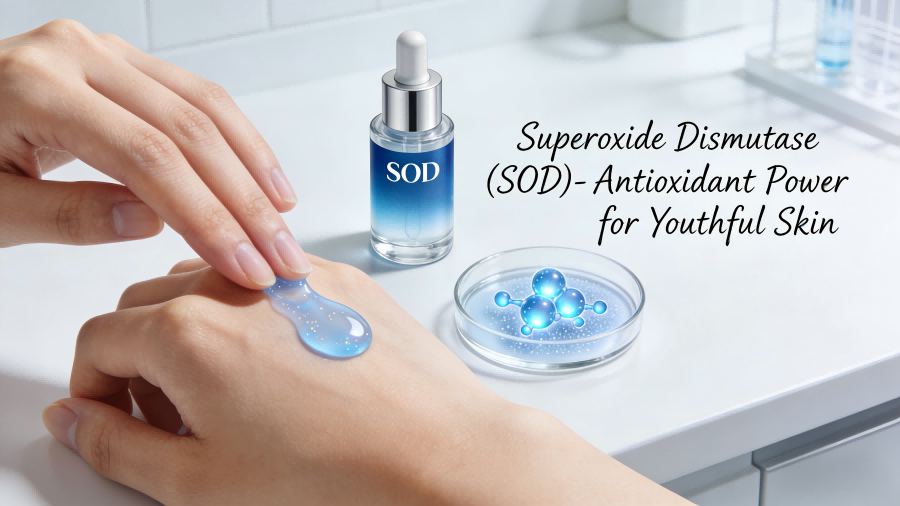
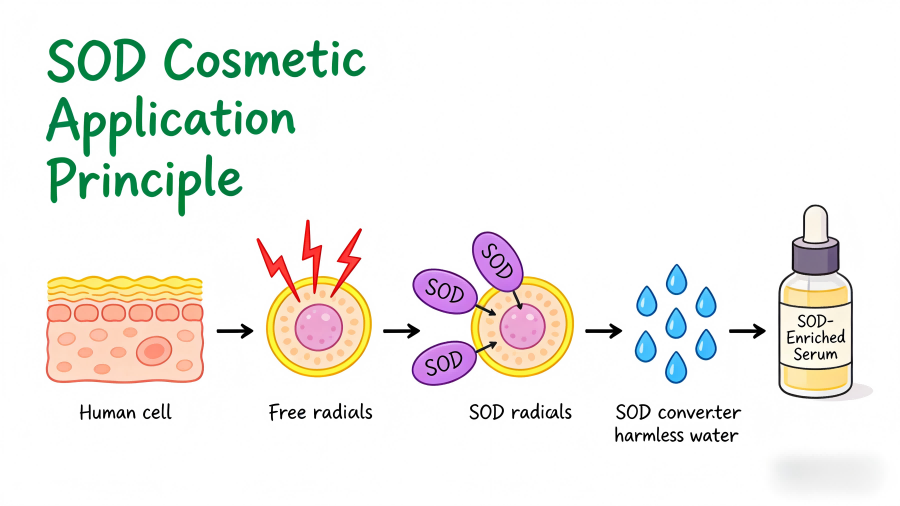
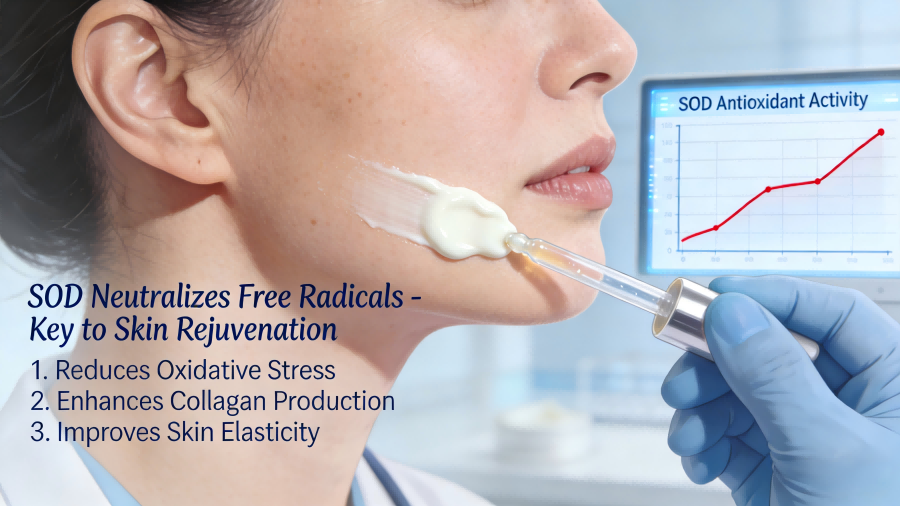
Superoxide Dismutase is a family of metalloenzymes that act as the body’s first line of defense against reactive oxygen species—unstable molecules generated by UV exposure, pollution, stress, and natural cellular metabolism. ROS, commonly known as free radicals, attack skin cells, damage DNA, break down collagen and elastin, and trigger inflammation—leading to dullness, fine lines, hyperpigmentation, and premature aging.
Unlike synthetic antioxidants such as Vitamin C or E,SOD operates with remarkable specificity: it catalyzes the dismutation of superoxide radicals into hydrogen peroxide and oxygen. This process neutralizes harmful free radicals at the source, preventing cascading oxidative damage that weakens the skin barrier. When applied topically, SOD forms a protective layer on the skin’s surface, locks in moisture, and supports the skin’s natural repair mechanisms—reducing the appearance of age spots, calming inflammation, and improving elasticity over time.
Clinical research further validates SOD’s efficacy: a 2024 study published in a peer-reviewed journal found that topical application of SODfusion protein cream significantly thickened the dermis, increased collagen production, and reduced malondialdehyde—a marker of oxidative stress—in Aging Skin. The study also confirmed excellent safety profiles, with no irritation or sensitization even at high concentrations.
The Hidden Pain Points of SODin skincare Formulations
Despite its proven benefits, SOD has long faced barriers to widespread adoption in skincare—issues that continue to undermine many commercial products. The core challenges stem from the enzyme’s inherent fragility and compatibility issues with common formulation ingredients:
- Poor Stability Under Harsh Conditions
Traditional natural SOD is highly sensitive to heat, pH fluctuations, oxidation, and manufacturing processes. Most natural SOD variants lose activity when exposed to temperatures above 40°C, making them incompatible with heat-sterilized products like medical dressings or thermal-mixed serums. Even at room temperature, SOD activity degrades rapidly in aqueous formulations, with most products losing 50% or more of their efficacy within 4–6 weeks.
- Vulnerability to Formulation Aggressors
Many common skincare ingredients disrupt SOD’s structure and function. Surfactants, metal ions, denaturants, and even high concentrations of glycerin can compromise enzyme activity. Additionally, SOD is highly sensitive to hydrogen peroxide, leading to self-inactivation over time. This incompatibility limits SOD’s use in multi-ingredient formulas, forcing brands to either dilute SOD to ineffective levels or exclude complementary antioxidants.
- Inefficient Skin Penetration and Targeting
SOD is a large protein molecule, making it difficult to penetrate the skin’s stratum corneum and reach the viable epidermis where oxidative damage occurs. Most topical SOD remains on the skin’s surface, where it is quickly washed away or degraded by environmental factors. Even when penetration is achieved, non-targeted delivery means SOD may not reach mitochondria—the primary source of ROS in skin cells—reducing its therapeutic impact.
- Inconsistent Efficacy Across Products
Due to stability challenges, many SOD-infused products on the market contain either inactive enzyme or insufficient concentrations to deliver visible results. A 2025 industry analysis found that over 40% of skincare products claiming SOD content had undetectable or negligible enzyme activity, leaving consumers disappointed and skeptical of the ingredient’s value.
Groundbreaking Solutions to Unlock SOD’s Full Potential
Recent advances in enzyme engineering and delivery technology have addressed these pain points, creating next-generation SOD variants that are stable, compatible, and highly effective. Two key innovations stand out, supported by rigorous scientific research:
- Extremophile-Derived Mn-SOD for Superior Stability
A 2025 study published in the International Journal of Biological Macromolecules unveiled a breakthrough: two novel manganese-dependent SOD variants extracted from extremophiles (microorganisms that thrive in extreme environments). Named OsSOD and GtSOD, these enzymes exhibit unprecedented stability across harsh conditions.
The research, led by a team of biochemists and skincare scientists, found that OsSOD and GtSOD retain over 70% of their activity after 60 minutes of heating at 80°C—far exceeding the stability of traditional natural SOD. They also maintain structural integrity and function across a wide pH range and show strong resistance to oxidation, metal ions, surfactants, and denaturants. When added to typical serum formulations, the enzymes retained full activity for over 8 weeks at room temperature with no changes in color or viscosity.
- Biomimetic Exosome Delivery for Targeted Penetration
To solve the penetration and targeting challenge, researchers developed a biomimetic exosome delivery system for SOD. As reported in a 2025 study focusing on oxidative skin damage, this system uses natural exosomes modified with melanocyte cell membrane proteins—enabling targeted delivery to ROS-damaged cells.
The exosomes, with a diameter of 115±25nm, efficiently load SOD with an 85.7% activity retention rate. They penetrate the stratum corneum via membrane fusion, bypassing endocytic degradation, and specifically target mitochondria—where most cellular ROS are produced. In hydrogen peroxide-induced damage models, exosome-delivered SOD increased cell viability from 42% to 78%, reduced intracellular ROS by 82%, and restored mitochondrial membrane potential to near-normal levels.
This delivery system also enhances SOD’s stability: stored at 4°C for 14 days, the encapsulated enzyme retains over 80% of its initial activity. Importantly, the exosomes are biocompatible, non-immunogenic, and remain localized in the skin, ensuring safety for long-term use.
Next-Gen SOD: Key Features, Advantages, and Cosmetic Applications
Core Product Features & Advantages
- Industrial-Grade Stability: Extremophile-derived Mn-SOD tolerates high temperatures, extreme pH, and common formulation ingredients, enabling use in heat-sterilized products and multi-ingredient serums.
- Targeted Efficacy: Biomimetic exosome delivery ensures SOD reaches the viable epidermis and mitochondria, maximizing free radical scavenging and minimizing waste.
- Synergistic Compatibility: Stable SOD pairs effectively with other antioxidants, peptides, and hydrating ingredients without activity loss, creating more powerful formulations.
- Proven Safety: Both extremophile-derived SOD and exosome-delivered SOD have demonstrated excellent safety profiles, with no irritation, sensitization, or systemic toxicity.
- Long Shelf Life: Enhanced stability extends product shelf life to 12+ months, reducing waste and ensuring consistent efficacy from production to application.
Applications in Cosmetics
- Anti-Aging Serums & Creams: Targets fine lines, wrinkles, and sagging by reducing oxidative damage and boosting collagen production.
- Whitening & Brightening Products: Inhibits ROS-induced melanin production, fading hyperpigmentation, sun spots, and dullness.
- Sensitive Skin Formulations: Calms inflammation by downregulating pro-inflammatory cytokines, making it ideal for post-sun, post-procedure, or reactive skin.
- Heat-Stable Products: Medical dressings, thermal-spray serums, and hot-processed creams—applications previously off-limits for traditional SOD.
- Hydrating Products: Supports the skin barrier by reducing oxidative stress, enhancing moisture retention, and improving texture.
Why SOD Cannot Be Ignored in Modern Antioxidant Skincare
As consumers demand more effective, science-backed skincare, SOD’s unique ability to neutralize superoxide radicals— the root cause of oxidative skin damage—positions it as an irreplaceable ingredient. The historical challenges of stability and penetration have been overcome by cutting-edge research, making next-gen SOD a viable, high-performance addition to formulations.
- Name: Yuki
- E-mail: sales02@nahanutri.com
- WhatsApp:+8618066950297