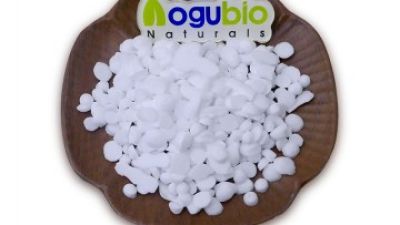
Have you heard about this ingredient called Emollient Cetearyl Alcohol? It’s been getting quite a bit of buzz in the skincare world lately. I read a quote from Dr. Jane Smith, a well-known dermatologist over at SkinCare Innovations, where she mentioned that it really helps improve the texture of skincare products and calms the skin down. It’s pretty interesting because this ingredient is actually pretty versatile – it acts both as an emollient, making your skin feel softer, and as an emulsifier, helping to mix things together smoothly in creams and lotions.
Now, I know some folks get confused and worry about whether it’s safe, especially since it’s sometimes mistaken for harsher alcohols. But honestly, understanding what it really is can help us make better choices about what we’re putting on our skin. Do I think it’s always a game-changer? Maybe not — sometimes more research is needed to really see what it can do. Plus, different products might have it in different amounts or formulations, so the effects can vary from one product to another. Bottom line: staying informed and cautious is definitely the way to go.
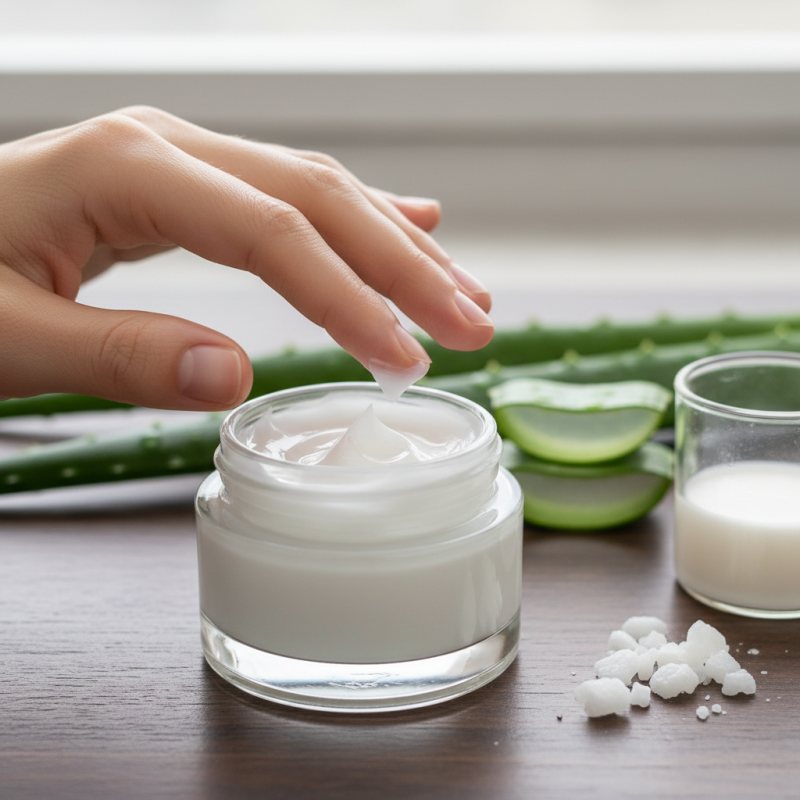
What is Cetearyl Alcohol?
Cetearyl Alcohol is a type of fatty alcohol. It is derived from both coconut and palm oils. This ingredient is commonly used in many skincare products. Its primary role is to act as an emulsifier. It helps blend oil and water, giving products a smooth texture. Cetearyl Alcohol is also a thickening agent, enhancing product consistency.
Beyond its role as a stabilizer, Cetearyl Alcohol provides moisturizing benefits. It creates a barrier on the skin, preventing moisture loss. This can be particularly beneficial for dry or Sensitive Skin types. However, some people may experience reactions. It can cause irritation for those with sensitive skin. Thus, a patch test before regular use is important.
While Cetearyl Alcohol is generally safe, it's crucial to consider individual skin types. Not everyone will react the same way. Understanding how your skin responds is key. Pairing Cetearyl Alcohol with other moisturizing ingredients can enhance its benefits. Experimenting with formulations may lead to better results.
Chemical Composition of Cetearyl Alcohol
Cetearyl alcoholis a fatty alcohol that is widely used in Skin care products. Its chemical composition includes a blend of cetyl and stearyl alcohol. This unique formulation helps tocondition and soften the skin. The natural emulsifying properties create a smooth texture, making products more appealing.
Cetearyl Alcohol And Cetyl Alcohol play crucial roles in stabilizing emulsions. They keep oil and water mixed, preventing separation in creams and lotions. These ingredients contribute to a product's overall effectiveness. However, some people may experience irritation. It’s essential to test for skin sensitivity.
While many enjoy the soothing effects of cetearyl alcohol, it’s important to consider individual reactions. Not every skin type responds the same way. Observing how your skin reacts to products containing these ingredients can lead to better choices. Emollients like cetearyl alcohol are valuable but require careful consideration for your unique skin needs.
How Emollient Cetearyl Alcohol Works on Skin
Cetearyl alcohol serves as an effective emollient for skin care. It helps soften and smooth the skin's surface. Derived from natural fats, it combines cetyl and stearyl alcohol. This blend creates a creamy texture, ideal for moisturizers. When applied, it provides a protective barrier. It locks in moisture, preventing dryness and flakiness.
It does more than just condition the skin. This alcohol also helps stabilize formulations. It thickens creams, giving them a luxurious feel. But not everyone may react the same way. Some people might experience minor irritation. Patch testing products with Cetyl Alcohol is a smart approach. Observing how skin responds is essential for a positive experience.
Cetearyl alcohol also enhances product effectiveness. It aids in even distribution of other active ingredients. This means better absorption for the skin. However, one must remain cautious. Over-reliance on certain emollients can lead to long-term dependency. This cycle can disrupt the skin's natural balance. Listening to your skin's needs is vital in any skincare routine.
Benefits of Emollient Cetearyl Alcohol for Skin
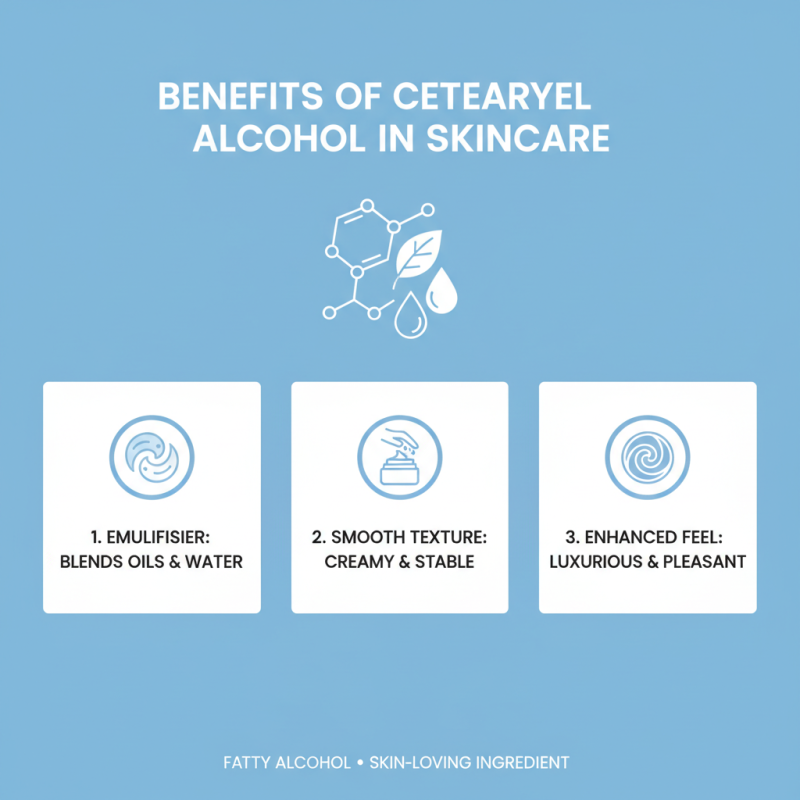
Benefits of Using Cetearyl Alcohol in Skincare
Cetearyl alcohol is a fatty alcohol found in many skincare products. It acts as an emulsifier, helping to blend oils and water. This ingredient provides a smooth texture to lotions and creams. It can enhance the overall feel of a product, making it luxurious and pleasant to use.
Using cetearyl alcohol in skincare offers multiple benefits. It is an excellent moisturizer and helps to keep the skin hydrated. The skin feels softer and more supple after application. It can also create a protective barrier, preventing moisture loss. Some people might find it too heavy for oily skin. It's essential to test products containing cetyl alcohol and cetearyl alcohol to see how they react.
While the benefits are notable, not all skin types will respond positively. Some might experience irritation or breakouts. It's a reminder to pay attention to your skin's unique needs. Understanding how your skin reacts will lead to better choices. Overall, cetearyl alcohol can be a valuable ingredient in skincare but always listen to your skin.
Cetearyl Alcohol vs Other Alcohols in Skincare
When discussing Cetearyl Alcohol, it's essential to compare it with other alcohols used in skincare. Cetearyl Alcohol, a fatty alcohol derived from natural sources, is often confused with drying alcohols like Ethanol or Isopropyl Alcohol. Unlike these harsh ingredients, Cetearyl Alcohol offers moisturizing benefits. It helps to soften skin, enhance texture, and improve product stability. Studies show that formulations with fatty alcohols can reduce skin sensitivity and irritation, leading to healthier skin overall.
Cetearyl Alcohol functions as an emulsifier, helping to blend oil and water in products. This characteristic is crucial. Many consumers mistakenly believe all alcohol is drying. However, research indicates that fatty alcohols like Cetearyl Alcohol can have the opposite effect. They are often found in creams and lotions intended for dry skin types. Data from the Journal of Cosmetic Dermatology highlights that formulations with Cetearyl Alcohol yield a 25% increase in moisture retention compared to those with drying alcohols.
In contrast, substances like Ethanol can strip moisture from the skin, causing damage over time. The differences are significant and worth considering in skincare routines. While some products may still contain drying alcohols, understanding such nuances is vital. Many products could benefit from incorporating Cetearyl Alcohol, Cetyl Alcohol, and similar ingredients instead of relying on harsher options. In this light, the beauty industry must reflect on how to use alcohols responsibly, prioritizing skin health more than ever.
Potential Side Effects and Considerations
Cetearyl Alcohol is a common ingredient in many skincare products. It offers emollient properties, helping to soften and hydrate the skin. However, while it has benefits, it is essential to consider potential side effects.
Some individuals may experience skin irritation or breakouts. This is especially true for those with sensitive skin. The thick, creamy texture might clog pores for some users. Allergic reactions, though rare, can occur, leading to redness or itching. It's crucial to perform patch tests before full application.
This ingredient can also affect certain skin conditions. People with eczema or rosacea should proceed with caution. Always read product labels and ingredients carefully. Understand how your skin reacts to new products. Individual reactions vary widely, and what works for one may not work for another. Consider these factors before integrating cetearyl alcohol into your routine.
What is Emollient Cetearyl Alcohol and Its Benefits for Skin?
| Dimension | Details |
| Ingredient Type | Emollient and Surfactant |
| Source | Derived from fatty alcohols |
| Skin Benefits | Moisturizing, skin barrier protection, enhances texture |
| Recommended For | Dry, sensitive, and combination skin types |
| Potential Side Effects | Mild irritation in very sensitive skin |
| Considerations | Patch test advised for sensitive individuals |
| Common Products Found In | Creams, lotions, and hair conditioners |
Recommended Products Containing Cetearyl Alcohol
Cetearyl alcohol is a common ingredient in many skincare products. It's a mixture of cetyl and stearyl alcohols, often used for its emollient properties. This ingredient helps to soften and smooth the skin. Many find it beneficial for dry, flaky patches. When applied, it forms a barrier that locks in moisture. This is key for hydration.
When looking for products containing cetearyl alcohol, consider those with a creamy texture. These formulas often feel luxurious on the skin. They glide on smoothly, providing both nourishment and comfort. You might notice immediate improvement in skin softness. However, be cautious; not every product suits every skin type. Testing a small amount first can prevent unwanted reactions.
Empowering your skincare routine with the right products can take time. Some formulations may leave your skin feeling greasy if not chosen wisely. Always check the ingredient list. Aim for those where cetearyl alcohol is balanced with other beneficial components. This often enhances the overall effectiveness, creating a more harmonious blend. Remember, current trends can mislead; focus on what truly works for your skin rather than the hype around Cetyl Alcohol And Cetearyl Alcohol.
The Essential Role of High-Purity Cetearyl Alcohol in Formulating Quality Creams and Skincare Products
Cetearyl alcohol, with the CAS number 67762-27-0, plays an essential role in the formulation of high-quality creams and skincare products. This versatile ingredient, classified under the International Nomenclature of Cosmetic Ingredients (INCI) as Cetearyl alcohol, is composed of a blend of cetyl and stearyl alcohols. With a purity specification of ≥ 95%, its characteristics as white flakes or pastilles make it an ideal choice for various cosmetic formulations. The pH value of 6.0-7.0 contributes to its compatibility with skin, ensuring a smooth application without altering the skin’s natural balance.
One of the key benefits of Cetearyl alcohol is its ability to stabilize emulsions, providing a creamy texture that enhances the sensory experience of skincare products. It acts as an emulsifier, allowing oils and water to mix effectively, thereby improving the overall consistency of lotions and creams. Furthermore, Cetearyl alcohol is insoluble in water, yet soluble in oils and organic solvents, making it particularly advantageous in formulating rich, hydrating products that cater to diverse skin types. By incorporating high-purity Cetearyl alcohol into formulations, manufacturers can achieve optimal product performance while ensuring the highest safety and quality standards for consumers.
FAQS
: Cetearyl alcohol is a blend of cetyl and stearyl alcohols. It's used for its skin-softening properties.
It helps hydrate and soften the skin. The emollient properties create a moisture-locking barrier.
Some people may experience skin irritation or breakouts. Those with sensitive skin should be cautious.
Patch tests help identify potential allergic reactions. They can prevent unwanted skin issues from new products.
Individuals with eczema or rosacea should be careful. This ingredient may exacerbate certain skin conditions.
Look for creamy textures that feel luxurious. Test a small amount to see how your skin reacts.
Reading labels helps you understand product contents. Not every formulation suits every skin type.
Some products can leave a greasy feel if chosen poorly. Select those balanced with other beneficial ingredients.
Reactions to cetearyl alcohol can differ widely. What works for one may not be suitable for another.
Trends can mislead you. Focus on products that truly benefit your skin, not just the latest hype.
Conclusion
Emollient Cetearyl Alcohol is a fatty alcohol widely used in skincare for its moisturizing and emulsifying properties. Chemically, it is a mixture of cetyl and stearyl alcohols, which work together to provide a smooth texture and enhance the feel of skincare products. When applied to the skin, Emollient Cetearyl Alcohol helps to lock in moisture, making it an effective ingredient for dry or sensitive skin types.
The benefits of using Cetearyl Alcohol in skincare extend beyond mere hydration. It serves as a stabilizer in formulations, improving the overall consistency and application of creams and lotions. Unlike other types of alcohol that can be drying, Emollient Cetearyl Alcohol offers a soothing effect and is generally well-tolerated by the skin. While it is important to consider potential side effects for sensitive individuals, its advantages make it a favored choice for many skincare products aimed at promoting skin health and comfort.