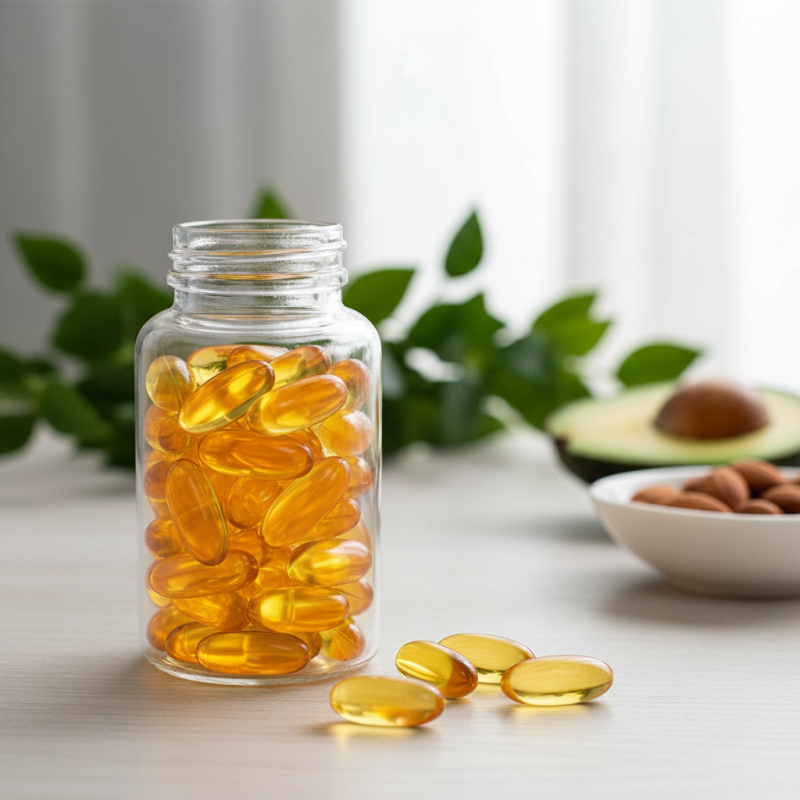
When it comes to dietary supplements, you’ve probably heard of D-Alpha Tocopheryl Acetate Vitamin E — and let me tell you, it really does stand out with all the benefits it offers. This isn’t just another run-of-the-mill vitamin; it’s packed with powerful perks for your skin, immune system, and overall health. Lots of health pros recommend it because of its antioxidant abilities—basically, it helps fight off those pesky free radicals that can cause damage over time.
Adding D-Alpha Tocopheryl Acetate Vitamin E into your daily routine might actually boost your skin’s hydration and make it more elastic. People who try it often notice smoother skin and even some reduction in those fine lines and signs of aging. And while it’s known for protecting against UV damage, don’t get me wrong—it’s not a replacement for sunscreen, okay? It’s just another layer of defense.
Of course, like anything, it’s not perfect for everyone. Some folks might have sensitivities or allergic reactions, so it’s smart to be cautious. If you're thinking about giving it a shot, chatting with your healthcare provider first is definitely a good idea. When used the right way, D-Alpha Tocopheryl Acetate Vitamin E can be a really worthwhile addition to your health toolkit. Just make sure you understand what it can do so you’re making informed choices about your well-being.
Top 5 Benefits of D-Alpha Tocopheryl Acetate Vitamin E
D-Alpha Tocopheryl Acetate, a form of Vitamin E, is significant in skin health. It's an antioxidant that protects cells from oxidative stress. According to the National Institutes of Health, Vitamin E deficiency can lead to skin issues. This underscores the importance of ensuring adequate intake. Many studies highlight that this compound can enhance skin hydration. A 2019 study published in the Journal of Dermatological Science noted improved skin elasticity with regular use.
Another benefit is its role in reducing inflammation. Research indicates that D-Alpha Tocopheryl Acetate helps in minimizing skin redness and irritation. A survey by the American Academy of Dermatology reported that 70% of participants felt calmer skin after using products with Vitamin E. This points to its potential effectiveness in skincare routines. However, not everyone sees results. Some users may experience irritation. This highlights the importance of patch testing before full application.
Further, this vitamin can aid in wound healing. A report by the Journal of Wound Care revealed that Vitamin E accelerated healing in some cases. However, the results weren't uniform across all subjects. Individual responses vary, showcasing the need for a personalized approach in skincare. While many enjoy the benefits, it's crucial to understand that reactions can differ. This leads to a more informed usage, promoting safety and efficacy in skincare.
Understanding D-Alpha Tocopheryl Acetate: A Natural Form of Vitamin E
D-Alpha Tocopheryl Acetate is a naturally occurring form of Vitamin E. This compound plays a crucial role in skin health and overall wellness. According to the National Institutes of Health (NIH), Vitamin E is known for its strong antioxidant properties. It helps to neutralize free radicals, protecting cells from damage caused by oxidative stress.
Research indicates that D-Alpha Tocopheryl Acetate can improve skin hydration. A study published in the Journal of Cosmetic Dermatology found that topical application significantly increased skin moisture levels in participants. This illustrates how natural Vitamin E supports healthy skin by enhancing moisture retention. It's fascinating to consider how a natural ingredient can drive visible benefits.
Additionally, D-Alpha Tocopheryl Acetate is beneficial for addressing skin aging. A clinical report from the American Academy of Dermatology noted improvements in skin elasticity and reduction in fine lines. Despite its benefits, some users report minor reactions, emphasizing the need for patch testing before widespread use. Every individual reacts differently, and understanding these nuances can lead to better skincare choices.
Antioxidant Properties: Protecting Cells from Oxidative Stress
D-Alpha Tocopheryl Acetate, a unique form of Vitamin E, possesses remarkable antioxidant properties. Antioxidants play a critical role in neutralizing free radicals. These free radicals can cause damage to cells, leading to diseases and aging. By incorporating D-Alpha Tocopheryl Acetate into your daily routine, you enhance your body's defense against oxidative stress.
Oxidative stress occurs when there's an imbalance between free radicals and antioxidants in the body. This imbalance can lead to inflammation and various health issues. D-Alpha Tocopheryl Acetate tackles this problem effectively. It helps maintain cellular integrity by protecting cell membranes from oxidative damage. Studies suggest that consistent use can improve skin health and overall vitality.
It's essential to recognize that not all forms of Vitamin E offer the same benefits. D-Alpha Tocopheryl Acetate stands out due to its superior absorption and efficacy. Many people overlook the importance of quality when choosing supplements. While D-Alpha Tocopheryl Acetate shows promise, individual responses can vary. Some may not feel immediate effects, prompting further evaluation of their health practices.
Skin Health: Enhancing Skin Moisture and Reducing Signs of Aging
D-Alpha Tocopheryl Acetate, a potent form of Vitamin E, is known for its benefits to skin health. One key advantage is its ability to enhance skin moisture. When applied topically, it forms a protective barrier that retains hydration. This is crucial for maintaining a plump, youthful appearance. Many users report smoother skin textures after consistent use. They appreciate how it feels silky and soft, but results can vary based on individual skin types.
Another important benefit is its role in reducing signs of aging. D-Alpha Tocopheryl Acetate helps combat oxidative stress caused by environmental factors. It works to neutralize free radicals, which can lead to premature wrinkles and fine lines. While many find it effective, not everyone experiences the same level of improvement. Some may even notice irritation, suggesting that a patch test is wise before widespread application. Additionally, combining this ingredient with sun protection can enhance its UV defense D-Alpha Tocopheryl Acetate properties, offering a dual approach to skincare. This synergy can promote healthier, younger-looking skin, but it requires consistent effort and individual adjustment.
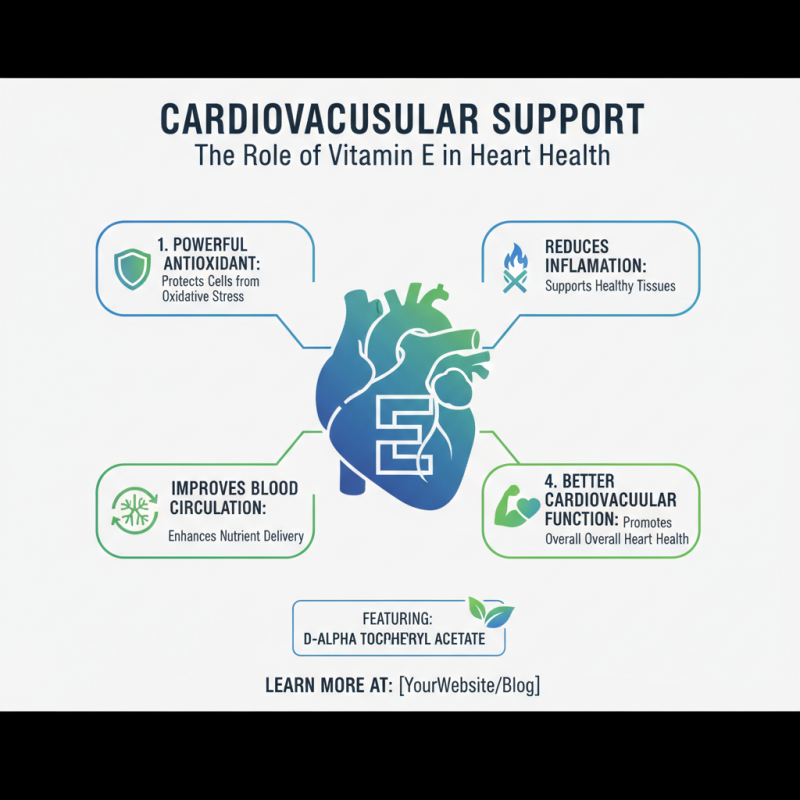
Cardiovascular Support: The Role of Vitamin E in Heart Health
Vitamin E, particularly D-Alpha Tocopheryl Acetate, plays a crucial role in supporting heart health. This antioxidant helps protect cells from oxidative stress. It is known to reduce inflammation and improve blood circulation. Regular intake may lead to better cardiovascular function.
Incorporating Vitamin E into your diet is beneficial. You might consider food sources rich in this vitamin, like nuts and seeds. However, supplements are also an option. It's essential to consult with a healthcare professional before starting any new supplement regimen.
Tips: Choose foods with healthy fats to enhance absorption of Vitamin E. Pairing it with vitamin C can also boost its effectiveness. Remember, moderation is key. Too much can lead to adverse effects. Reflect on your dietary habits and make adjustments as needed for optimal heart health.
Boosting Immune Function: How Vitamin E Affects Immune Response
Vitamin E, specifically D-Alpha Tocopheryl Acetate, plays a crucial role in boosting immune function. Research indicates that Vitamin E supports the immune system by enhancing the activity of immune cells. It helps in the proliferation of T-cells, vital for fighting infections. A study published in the "American Journal of Clinical Nutrition" highlighted that older adults who supplemented with Vitamin E showed a 20% improvement in immune response compared to those without supplementation.
Moreover, Vitamin E's antioxidant properties protect cells from oxidative stress. This is particularly important for immune cells, which are highly susceptible to damage. According to the National Institutes of Health, adequate Vitamin E levels can reduce the risk of chronic diseases by maintaining a robust immune system. However, not all individuals achieve the necessary intake through diet alone, sometimes leading to deficiencies.
It's intriguing to note that while supplementation provides benefits, excessive intake may have potential risks. Balancing Vitamin E intake through diet and supplements requires careful consideration. Ongoing research is crucial to fully understand the optimal levels for immune health, making it essential for individuals to consult healthcare professionals. Striving for a balanced approach ensures you maximize the benefits while minimizing potential downsides.
Hair Health: The Impact of Vitamin E on Hair Growth and Maintenance
Vitamin E, particularly D-Alpha Tocopheryl Acetate, is known for its profound effects on hair health. It acts as a powerful antioxidant, helping to combat oxidative stress in hair follicles. This can lead to healthier hair growth. Many studies suggest that Vitamin E may improve blood circulation to the scalp. Enhanced blood flow brings vital nutrients to hair roots.
In addition to promoting growth, D-Alpha Tocopheryl Acetate also aids in hair maintenance. It helps to moisturize and nourish the hair, reducing dryness and brittleness. Regular use can result in shinier, more resilient hair. However, some users report mixed experiences. Not everyone sees immediate results. Individual factors, like hair type and overall health, play significant roles.
People interested in hair care should consider incorporating this powerful nutrient into their routine. While it is highly regarded, expectations should be realistic. D-Alpha Tocopheryl Acetate may not be a miracle solution, but it serves as an excellent skin protector. Regular application can yield benefits over time.
Sources and Recommended Intake: Optimal Ways to Incorporate Vitamin E
Vitamin E, particularly the antioxidant D-Alpha Tocopheryl Acetate, plays a vital role in maintaining skin health. Sources rich in Vitamin E include nuts, seeds, and green leafy vegetables. The recommended daily intake for adults is around 15 mg. This can usually be achieved through a balanced diet. However, many people still fall short of this target. It might be beneficial to consider supplements, especially for those whose diets lack sufficient Vitamin E.
Incorporating foods high in vitamin E can lead to improved skin appearance. Research suggests that adequate Vitamin E intake can reduce skin damage from UV light. Most people may not realize that cooking can affect vitamin losses. For instance, frying or boiling may decrease nutrient levels in certain foods. Such details highlight the need for mindful eating habits. Regularly adding raw sources may enhance overall Vitamin E intake.
While supplements can support your health, they should not replace whole foods. They often lack the additional nutrients found naturally in food sources. It’s crucial to remember that the body requires a balanced intake of antioxidants like D-Alpha Tocopheryl Acetate for optimal health. Just focusing on supplements can lead to gaps in other important nutrients. It's a complex puzzle; everyone must find the best dietary strategy for their unique lifestyle.
Unlocking Radiant Skin: The Benefits and Uses of Alpha-Arbutin Powder for Skincare
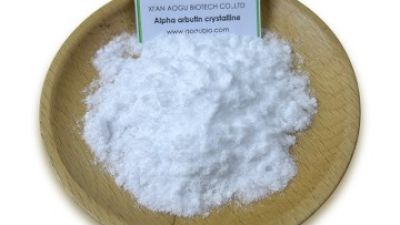
Alpha-Arbutin is a potent derivative of hydroquinone that has gained significant attention in the skincare industry due to its remarkable ability to promote a more radiant complexion. With a molecular weight of 272.25 g/mol and a chemical formula of C12H16O7, this white to off-white crystalline powder stands out for its effectiveness in diminishing the appearance of dark spots and uneven skin tone. Alpha-Arbutin can be easily incorporated into various skincare formulations due to its solubility in water and alcohol, making it an ideal ingredient for serums, creams, and lotions.
One of the primary benefits of Alpha-Arbutin lies in its ability to inhibit melanin production, which helps in fading hyperpigmentation and brightening the skin. Typically, the pH value of its solution ranges from 5 to 7, allowing it to be gentle on the skin while providing potent results. With a specification of ≥ 99%, the purity of Alpha-Arbutin ensures that users receive a concentrated dose of this beneficial ingredient. As part of a regular skincare routine, Alpha-Arbutin can unlock the potential for a more luminous complexion, helping individuals achieve their skin goals safely and effectively.
FAQS
: Vitamin E helps protect heart cells from oxidative stress and reduces inflammation. It improves blood circulation.
Include nuts and seeds in your meals. Supplements are also an option. Consult a healthcare professional first.
Vitamin E enhances immune cell activity. It supports the proliferation of T-cells, vital for fighting infections.
Yes, excessive intake may lead to adverse effects. Balance through diet and supplements is crucial for safety.
It combats oxidative stress in hair follicles and improves blood circulation to the scalp, promoting healthy hair growth.
Not necessarily. Individual factors influence results. Some may not see immediate effects, while others might.
Yes, too much Vitamin E can be harmful. Reflect on your intake to find a balanced approach for health benefits.
Yes, it acts as a skin protector, moisturizing and nourishing the skin. Regular use may improve overall skin condition.
Conclusion
D-Alpha Tocopheryl Acetate Vitamin E is a natural form of vitamin E known for its numerous benefits for health and well-being. This powerful antioxidant helps protect cells from oxidative stress, thereby reducing the risk of chronic diseases. It plays a significant role in enhancing skin health by improving moisture levels and minimizing signs of aging. Furthermore, D-Alpha Tocopheryl Acetate Vitamin E supports cardiovascular health by promoting better heart function and circulation.
In addition to its skin and heart benefits, this vitamin E variant supports immune function, enhancing the body's ability to respond to infections. It also contributes positively to hair health, promoting growth and maintenance. To reap the advantages of D-Alpha Tocopheryl Acetate Vitamin E, individuals should incorporate it into their diet through various food sources and supplements, ensuring they meet the recommended daily intake for optimal health.